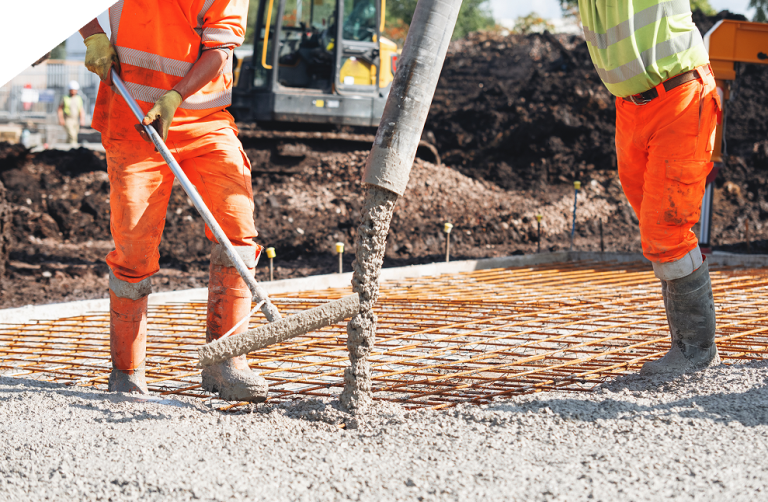
When a concrete project develops problems a few years after completion, most people immediately focus on the concrete itself. They wonder whether the mix was wrong, whether the slab was thick enough, or whether the finishing was done properly. In many commercial projects, those are not the questions that ultimately explain what happened.
After enough years in construction, a different pattern becomes clear for us. Many of the concrete issues that lead to repairs, callbacks, or unexpected costs actually begin before concrete placement ever starts. The problem may originate during excavation, site preparation, drainage planning, or utility work. By the time the first crack appears, the decision that caused it may be buried several feet below the finished surface.
This is one reason choosing between concrete contractors in Vancouver involves much more than comparing finishes, schedules, or square footage pricing. The quality of a concrete project is often determined by work that nobody sees once construction is complete.
What We Often Discover When Investigating Concrete Problems
One of the biggest differences between new construction and repair work is perspective. New projects focus on building. Repair projects reveal what went wrong. Over time, those investigations provide valuable insight into which decisions matter most.
A recurring example involves slabs that develop settlement in isolated areas while the surrounding concrete remains stable. At first glance, the damaged section appears to be the problem. Once the area is opened, however, the investigation often shifts toward the supporting conditions underneath.
In some cases, previous utility work created a corridor that behaved differently from the surrounding soil. In others, water gradually altered supporting materials below the slab over several years. Occasionally, older site conditions that seemed irrelevant during planning become significant once the property begins operating under daily traffic loads.
What makes these situations important is that the concrete itself is frequently not the primary cause of failure. The slab is simply revealing conditions that already existed below it. Understanding that distinction changes how experienced contractors approach planning. Instead of focusing only on the concrete installation, they evaluate the broader site conditions that will influence performance long after construction ends.
The Decisions That Usually Matter More Than The Finish
Property owners naturally pay attention to visible results. A clean finish, straight edges, and professional workmanship are all important. However, many of the decisions that have the greatest influence on long term performance happen before the concrete arrives on site.
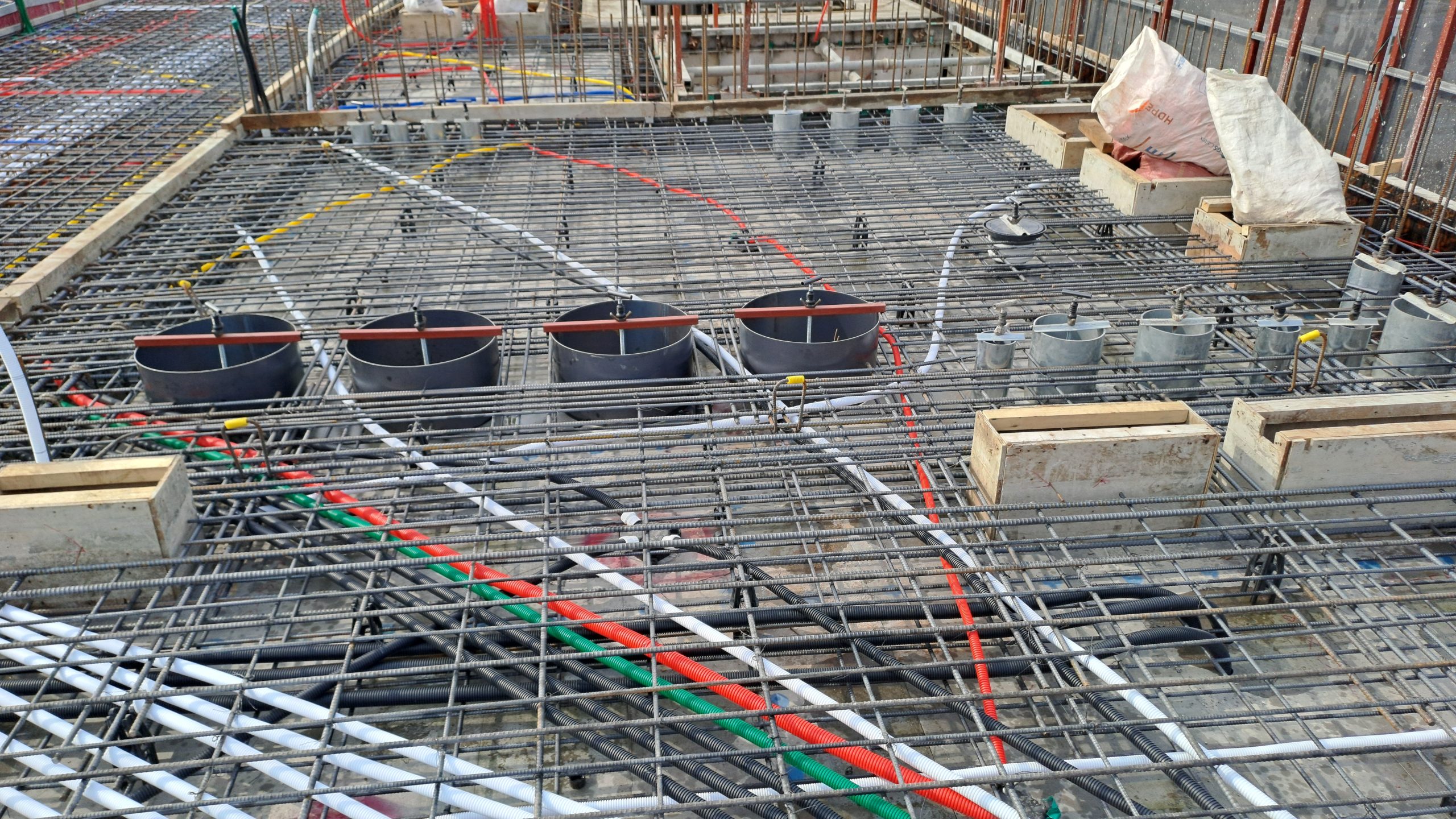
- Site preparation and excavation: The quality of the support beneath the slab directly affects how the concrete performs under load over time.
- Drainage planning: Water rarely creates problems immediately. More often, it gradually changes the conditions beneath the concrete until movement or deterioration becomes visible years later.
- Utility coordination: Existing and future utility requirements influence excavation, subgrade conditions, and long term maintenance considerations.
- Understanding site history: Previous development phases, older infrastructure, and historic grading changes can all affect future performance.
- Matching construction to actual use: A commercial loading area, warehouse floor, retail space, and access road place very different demands on concrete systems.
These factors rarely receive attention after construction is complete because successful planning makes them invisible. Yet they often determine whether the project performs well for decades or begins requiring repairs much sooner than expected.
What Experienced Concrete Contractors Look For Early
Experienced concrete contractors tend to ask different questions during the planning phase than less experienced teams. Instead of focusing only on the slab itself, we look for conditions that could affect the slab years later.
How does water move across the site during heavy rainfall? Has the property been redeveloped before? Are there existing utility corridors that could influence future settlement? Will traffic patterns change as the business grows? These discussions may not seem directly related to concrete, but they frequently influence the outcome more than decisions made on pour day.
This broader perspective is particularly important in Vancouver and the Lower Mainland, where redevelopment projects, varied site histories, and changing property uses are common. The most successful concrete projects are rarely the result of a single good decision. They are usually the result of many small decisions made correctly before construction begins.
Concrete Contractors In Vancouver
The best concrete work is often invisible because the decisions that determine long term performance happen before the concrete is poured. Site preparation, drainage planning, utility coordination, and construction management all play a critical role in how a project performs years after completion.
If you are planning a commercial concrete project in Vancouver or the Lower Mainland, contact us at JPD Contracting to discuss the site conditions, operational requirements, and planning considerations that can help prevent costly issues before construction begins.