Construction project management begins long before equipment arrives on site. For many property owners, the period between early project planning and the moment construction officially begins can feel unclear. Meetings have taken place, budgets have been discussed, and design work may already be underway, yet the project still appears to be waiting for the moment when physical work starts.
In reality, this phase is one of the most important parts of the entire process. Construction project management during this stage focuses on aligning design decisions, technical requirements, budgets, and schedules so that once construction begins, the project can move forward with fewer surprises. When preparation is handled carefully, groundbreaking becomes the start of a coordinated plan rather than the beginning of problem solving.
Turning Early Concepts Into A Buildable Project
Most projects begin with high level ideas. Owners know what they want to build, the general timeline they hope to meet, and the investment range they are prepared to commit. Turning those ideas into a buildable project requires a structured process that connects design development with practical construction planning.
Construction project management plays a key role in guiding this transition. Project managers review developing designs with consultants and evaluate how those concepts translate into construction requirements. Structural systems, building services, accessibility standards, and regulatory considerations all influence how the project evolves before construction begins.
At the same time, the project team begins preparing the practical framework that will support the build. Preliminary schedules are drafted, procurement strategies are considered, and technical questions are addressed before contractors mobilize. Addressing these details early helps reduce uncertainty later in the process, when design changes and logistical adjustments become far more difficult.
Aligning Designers, Contractors And Owners
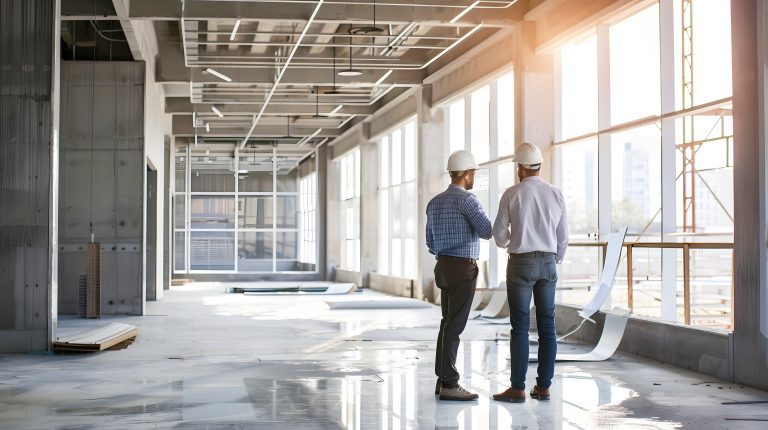
Commercial construction projects involve several professional groups working toward the same goal. Architects shape the design vision. Engineers address building systems and compliance. Contractors focus on constructability and sequencing. Property owners must ensure the final project supports operational needs and financial objectives.
Construction project management provides the structure that keeps these perspectives aligned. Through design coordination meetings, technical reviews, and budget discussions, project managers help ensure that decisions made by one party do not unintentionally create challenges for another. This coordination allows potential conflicts to be addressed during planning instead of during construction.
When alignment is achieved early, the project team approaches groundbreaking with a shared understanding of the design, schedule, and budget. That clarity significantly improves the transition from planning to active construction.
Key Steps That Happen Before Groundbreaking
The time between planning and groundbreaking is often where the foundation of a successful project is established. Construction project management typically oversees a series of critical tasks that prepare the project for efficient construction:
- Refining the project scope and design intent so architectural concepts translate clearly into construction requirements.
- Reviewing technical documentation with consultants and engineers to confirm structural systems, building services, and code compliance.
- Developing preliminary construction schedules that align design completion, procurement timelines, and construction sequencing.
- Evaluating budget assumptions and cost drivers to ensure the evolving design remains financially viable.
- Coordinating procurement planning for key materials and specialized trades that may require early engagement.
- Preparing permitting and regulatory submissions required before construction activities can begin.
- Establishing reporting and communication processes that will guide collaboration throughout the construction phase.
These steps ensure that when construction begins, the project team is executing a coordinated plan rather than reacting to unresolved issues.
Why This Phase Determines How Smoothly Construction Will Run
Many challenges that appear during construction actually originate earlier in the project. Incomplete coordination during planning can lead to conflicting technical requirements, unrealistic budgets, or schedules that do not reflect real site conditions. These problems often surface only after construction has begun, when adjustments become more disruptive.
Construction project management helps prevent these issues by evaluating design decisions through both technical and logistical perspectives before work starts. When the project team enters the construction phase with clear documentation, coordinated schedules, and realistic budgets, the entire process tends to move more predictably.
For commercial property owners, this preparation reduces uncertainty and creates a stronger foundation for the phases that follow.
Construction Project Management Services In Vancouver
If you are planning a commercial build or renovation in Vancouver or the Lower Mainland, working with an experienced construction project management team can help ensure that the critical planning phase is handled with clarity and structure. Contact us at JPD Contracting to discuss how professional project management can support your project before construction begins.