When property owners begin planning a commercial build or major renovation, one of the most common questions is what a construction management company actually does. Many people assume that builders simply oversee construction activity on site, but the role is far broader. A construction manager coordinates planning, budgeting, technical oversight, and communication across the entire project lifecycle.
In Vancouver and across the Lower Mainland, commercial projects often involve multiple consultants, contractors, inspectors, and suppliers. Without clear coordination, even well designed projects can face delays, miscommunication, and rising costs. A construction management company provides the structure that keeps all participants aligned while protecting the owner’s objectives throughout planning and construction.
The Construction Manager’s Role In Representing The Owner
One of the most important functions of a construction management company is acting as the owner’s representative during the building process. Property owners may have clear goals for their project, but translating those goals into technical decisions, schedules, and budgets requires specialized expertise.
Construction managers serve as strategic advisors who help owners navigate these decisions with greater clarity. They review plans, coordinate consultants, and evaluate how design choices affect construction timelines and costs. Because their role focuses on oversight rather than performing the construction work itself, they can maintain a broader view of the project and help ensure that the final result aligns with the owner’s vision.
For many commercial property owners, this guidance becomes especially valuable when multiple contractors and consultants are involved. Having a single party responsible for coordination helps reduce confusion and ensures that information flows consistently across the project team.
How Construction Managers Coordinate The Entire Project Team
Commercial construction rarely involves just one contractor. Architects, engineers, subcontractors, inspectors, and suppliers all contribute to the final outcome. Each group brings specialized knowledge, but without clear coordination the workflow between them can quickly become fragmented.
A construction management company organizes this collaboration so that each contributor understands how their work fits into the broader project plan. Schedules are developed and monitored, procurement timelines are aligned with construction phases, and site supervision ensures that work progresses according to plan.
This coordination is not limited to technical tasks. Construction managers also facilitate communication between financial stakeholders, consultants, and contractors. Clear communication keeps expectations aligned and helps projects maintain steady progress instead of reacting to avoidable problems.
Supporting The Project From Planning Through Closeout
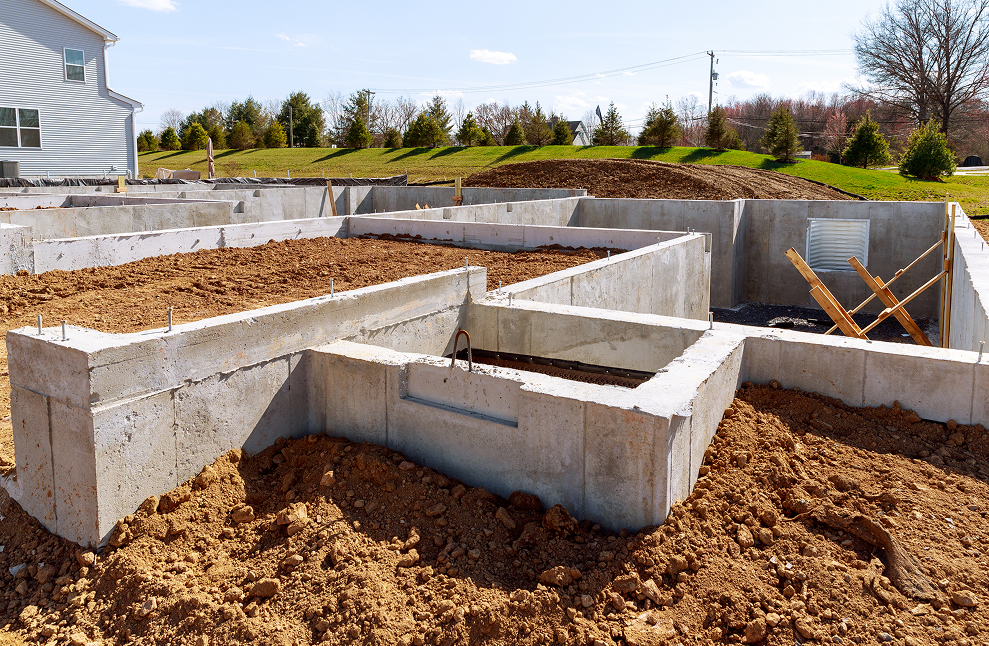
The value of a construction management company extends across every stage of a project, from early planning through final completion. During the planning phase, managers help evaluate project feasibility, review budgets, and coordinate early discussions with consultants and contractors. This groundwork creates a structured plan before construction begins.
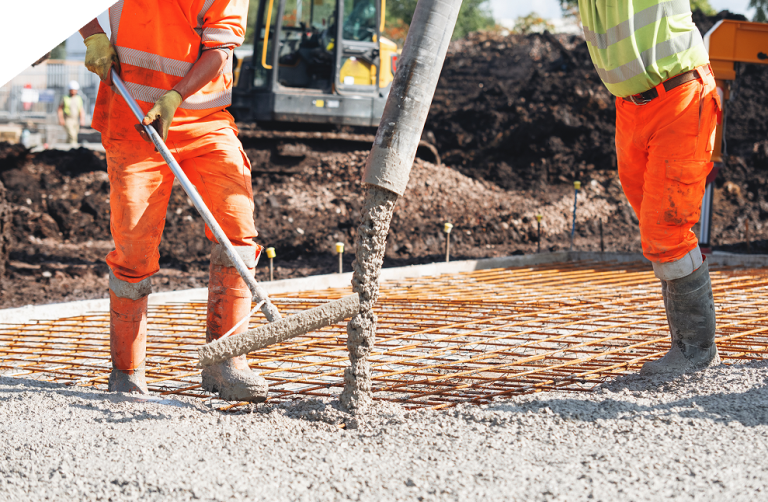
Once building activities start, the focus shifts to workflow coordination, quality oversight, and schedule monitoring. Construction managers track progress against the project plan, resolve technical challenges with the project team, and ensure that work continues moving forward efficiently.
As the project approaches completion, construction management also plays a key role in the closeout process. Final inspections, documentation, and contractor coordination must all be handled carefully to ensure that the building is delivered as intended. Effective closeout planning helps avoid last minute delays and ensures that owners receive a complete and properly documented project.
Key Responsibilities Of A Construction Management Company
A construction management company supports property owners through a combination of technical expertise, coordination, and oversight. While responsibilities vary by project, the following functions are typically central to successful construction management:
- Coordinating architects, engineers, contractors, and suppliers;
- Monitoring schedules to keep construction activities on track;
- Reviewing project budgets and identifying potential cost risks;
- Providing technical insight during design and planning decisions;
- Supervising site progress and maintaining quality standards;
- Managing documentation, reporting, and project communication.
Together, these responsibilities create a structured environment where complex commercial projects can progress efficiently while protecting the owner’s interests.
Why Property Owners Benefit From Professional Construction Management
Commercial construction projects involve significant financial investment and long term operational implications. Without strong coordination and oversight, small issues can escalate into delays or budget pressure. A construction management company helps prevent these outcomes by maintaining visibility across every moving part of the project.
For property owners in Vancouver, having experienced professionals oversee the workflow of a project provides both technical and strategic advantages. Decisions are made with clearer information, teams remain aligned around shared goals, and projects are more likely to meet both schedule and performance expectations.
Construction Management Company Services In Vancouver
JPD Contracting provides construction management company services in Vancouver and across the Lower Mainland, helping property owners keep their projects organized, transparent, and aligned with their goals. If you are planning a commercial build or renovation and want experienced guidance from the earliest planning stages, contact JPD Contracting to discuss how our team can support your project.