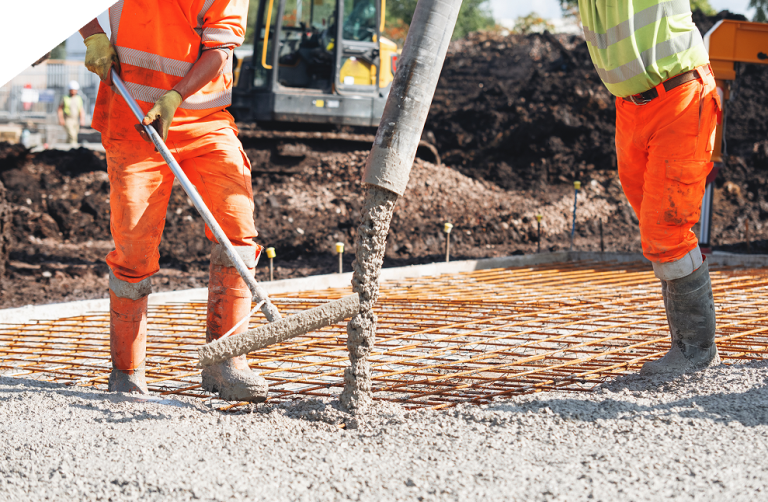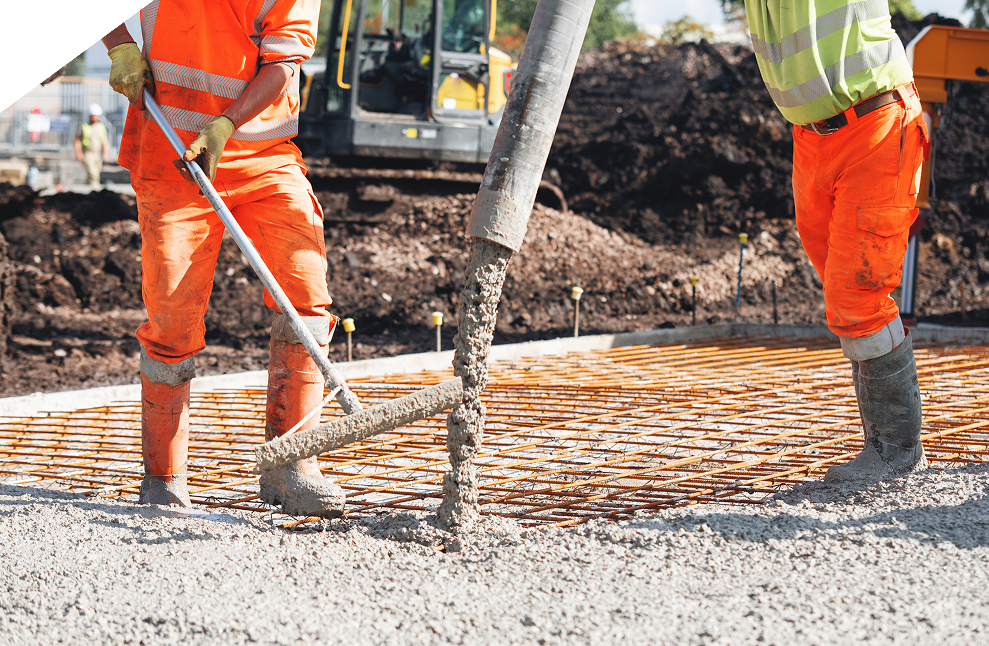
Concrete placement is often seen as the milestone that finally makes a project feel real. Excavation is complete, forms are in place, reinforcement has been inspected, and everyone is eager to keep the schedule moving. At that stage, delaying the pour can feel like losing valuable time.
In reality, some of the most expensive concrete problems begin because a project moves forward when one critical element is not quite ready. We have postponed concrete placement on projects where everything appeared prepared from the surface, only to discover that waiting one more day prevented weeks of repairs or costly rework later. Knowing when to move ahead is important. Knowing when not to can be just as valuable.
The Day We Chose Not To Pour
On one commercial project we’ve worked on, every trade was prepared for concrete placement. The forms had been completed, reinforcement was installed, and equipment was scheduled. Looking around the site, there was every reason to believe the pour would happen that day.
During our final walkthrough, however, one area raised concerns. A recently completed utility trench was not behaving consistently with the surrounding subgrade. It met the immediate project requirements, but the supporting conditions were different enough that we were not comfortable locking them beneath several inches of concrete.
Postponing the pour affected the schedule, but only briefly. That additional time allowed the area to be reviewed, corrected, and properly prepared before placement moved forward. Had the concrete been installed as originally planned, any future movement would have required demolition, removal, and reconstruction rather than a straightforward adjustment before the pour.
Experiences like this reinforce an important lesson. Once concrete is placed, many opportunities to correct underlying issues disappear. Spending one extra day verifying conditions can be far less expensive than spending several weeks repairing work that could have been avoided.
The Checklist Happens Long Before The Truck Arrives
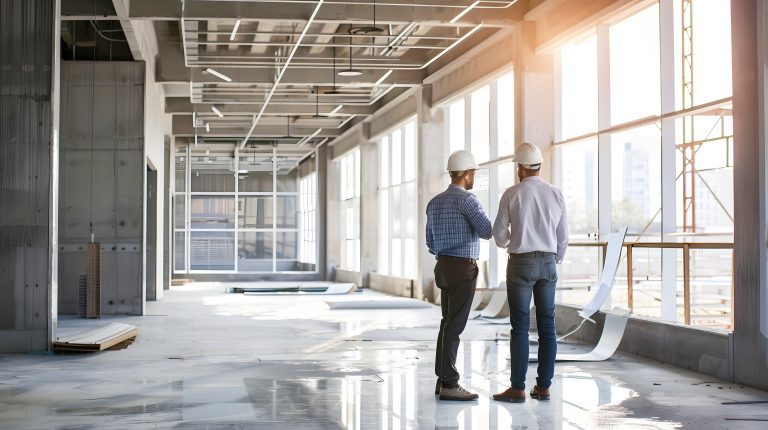
People often associate concrete quality with the mix itself, but much of the outcome has already been determined before the concrete reaches the site. The final inspection before placement is not simply confirming that the forms are complete. It is an opportunity to verify that every layer supporting the finished product is ready.
We look at drainage, subgrade consistency, recent excavation work, utility installations, reinforcement, elevations, access routes, and the sequencing of surrounding trades. A project can appear ready while still containing one unresolved issue capable of affecting long term performance. These details rarely attract attention because they disappear beneath the finished slab, yet they frequently determine whether that slab performs well years into the future.
This is particularly important on commercial projects where concrete supports heavy equipment, delivery vehicles, storage systems, or continuous daily traffic. Small compromises made before placement often become much larger problems once the building is fully operational.
Reasons We May Delay Concrete Placement
Delaying a pour is never the objective. However, there are situations where waiting protects both the project schedule and the client’s investment.
- Subgrade conditions have changed: Recent excavation, utility work, or unexpected moisture can affect how consistently the slab will be supported.
- Drainage details need one final adjustment: Correcting water flow before placement is significantly easier than addressing ponding or settlement after construction.
- Another trade has not fully completed its work: Installing or modifying underground services after concrete placement often leads to unnecessary demolition and patching.
- Inspection results require clarification: Resolving questions before placement keeps small concerns from becoming permanent construction issues.
- Site conditions no longer match the original plan: Construction projects evolve. Taking time to confirm that current conditions still support the original design is often the better decision.
None of these situations automatically require postponement, but each deserves careful evaluation before concrete permanently covers the work beneath it.
How We Minimize Delays When A Pour Has To Move
Delaying concrete placement does not have to mean delaying the entire project. In well-managed commercial construction, the schedule should have enough flexibility to allow work to continue in other areas while a specific issue is being resolved. That is one reason coordination is such an important part of construction management.
If a utility trench requires additional compaction, for example, other crews may still be able to complete work in adjacent areas, prepare materials, finalize inspections, or advance activities that are not dependent on the concrete placement. Instead of bringing the project to a standstill, we adjust sequencing to keep progress moving while making sure the slab is built on the right conditions.
This approach changes the conversation from “we lost a day” to “we avoided rebuilding concrete later.” For commercial clients, that distinction matters because maintaining overall project momentum is often just as important as meeting the original concrete placement date.
Concrete Contractors In Vancouver
Successful concrete projects begin long before placement day. Careful planning, thorough site preparation, and the willingness to address concerns before moving forward help create concrete installations that perform for years instead of requiring early repairs.
If you are planning a commercial concrete project in Vancouver or the Lower Mainland, contact JPD Contracting today. Our team will evaluate your site, coordinate every stage of the work, and help ensure your concrete project is built on the right foundation from the very beginning.