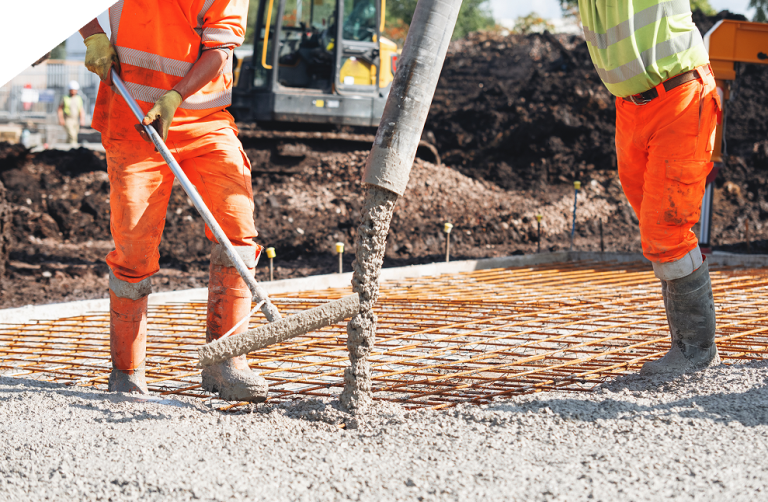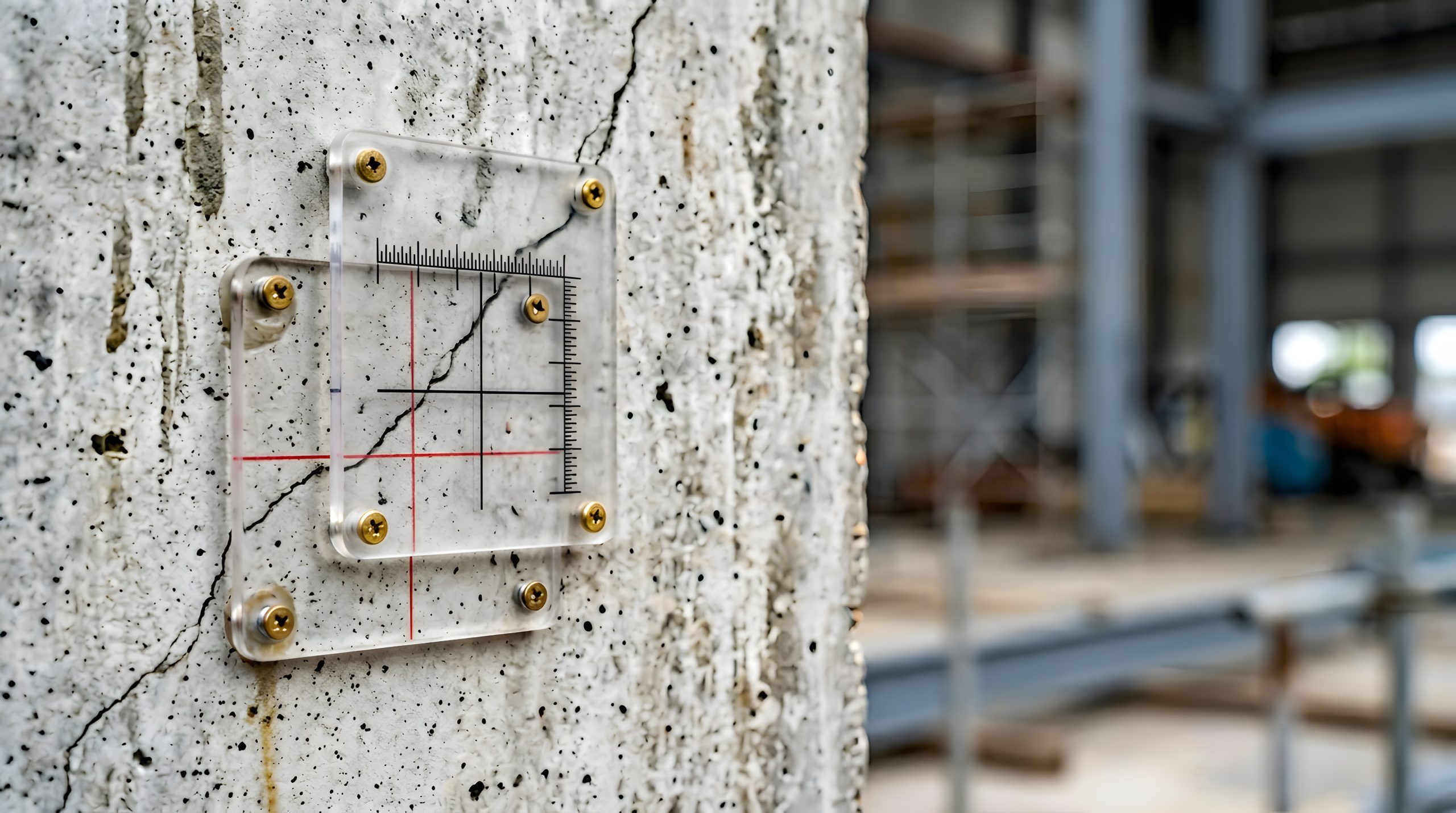
One of the most misleading moments in commercial concrete repair happens when two cracks look almost identical from the surface but represent completely different problems underneath. A narrow crack running across a warehouse floor may remain stable for years with minimal structural concern, while another crack of similar size quietly signals slab movement, moisture intrusion, or loss of support below the concrete.
This is why experienced commercial concrete repair services rarely evaluate cracks based on appearance alone. The width of the crack matters far less than its behavior, location, and surrounding conditions. In Vancouver projects, contractors often learn more from how a crack moves, stains, spreads, or returns over time than from the crack itself.
A common example happens around loading areas and high traffic access points. What initially appears to be minor surface cracking sometimes reveals repeated slab flexing caused by movement underneath the concrete. The crack is not the real problem. It is simply the place where the stress became visible first.
What Concrete Contractors Look At Before Calling A Crack “Serious”
Commercial concrete naturally develops small surface cracks over time. Temperature changes, shrinkage during curing, and minor movement can all create cosmetic cracking that does not significantly affect long term performance. The challenge is determining when cracking moves beyond normal aging and begins indicating structural or environmental issues underneath the slab.
One of the first things experienced contractors evaluate is whether the crack remains stable or continues evolving. A crack that changes width seasonally, collects moisture, or develops vertical displacement between slab sections tells a very different story from a hairline surface crack that has remained unchanged for years.
Location also matters more than many property owners realize. Cracks appearing near trenching work, utility paths, drainage transitions, or heavily loaded traffic zones often deserve closer investigation because those areas experience concentrated stress and movement. Contractors also pay attention to surrounding symptoms that many people overlook during early inspections, including moisture staining, recurring patch failures, or slight surface settlement developing near the crack pattern.
In some Vancouver repair projects, the crack itself ends up being relatively minor, while the surrounding drainage or subgrade conditions become the real focus of the repair strategy. This is one reason surface level repairs alone often fail to solve recurring problems.
The Crack Patterns That Usually Raise Concern
Certain crack patterns consistently attract more attention during commercial concrete inspections because they tend to reflect movement or instability beneath the slab rather than simple surface aging.
- Cracks with vertical displacement: When one side of the slab sits slightly higher than the other, it often indicates movement below the concrete rather than cosmetic surface stress.
- Cracks that repeatedly reopen after repair: Recurring separation usually suggests the slab continues moving or flexing underneath the repaired area.
- Diagonal cracks near openings or corners: These areas often concentrate structural stress and may indicate shifting loads or support conditions.
- Cracks accompanied by moisture staining: Water intrusion can accelerate deterioration beneath the slab and gradually weaken supporting material.
- Expanding crack networks in high traffic zones: Multiple interconnected cracks near loading paths or equipment routes often reflect ongoing stress rather than isolated cosmetic damage.
What makes these patterns important is not just their appearance, but the behavior surrounding them over time. Experienced commercial concrete repair services evaluate the broader context before determining whether repair, stabilization, or replacement is the appropriate response.
Why Some “Minor” Cracks End Up Becoming Expensive Problems
One of the reasons concrete crack evaluation becomes complicated is that serious problems rarely begin dramatically. Some of the most expensive slab failures start with cracks that initially appear small enough to ignore. The difference is that the underlying conditions causing the crack continue evolving long after the surface damage first appears.
Water intrusion is a common example in Vancouver’s climate. Moisture entering through small cracks can gradually affect reinforcement, weaken supporting soils, or create freeze thaw stress beneath the slab. Over time, what started as isolated surface cracking may expand into settlement, spalling, or widespread deterioration across larger sections of the concrete.
Commercial properties also face changing operational demands that alter how slabs perform over time. Storage systems become heavier, vehicle traffic increases, or equipment loads change years after the slab was originally installed. Cracks that remained stable under earlier conditions sometimes begin evolving once those loading patterns intensify.
This is why experienced contractors focus heavily on the cause of cracking rather than simply sealing the visible surface. A crack repair that ignores ongoing movement or moisture conditions often becomes temporary regardless of how clean the finished repair initially looks.
Commercial Concrete Repair Services In Vancouver
Concrete cracks do not all mean the same thing, and treating every crack the same way often leads to recurring repairs and missed underlying problems. Understanding how cracks behave over time is usually far more important than reacting to surface appearance alone.
JPD Contracting provides commercial concrete repair services across Vancouver and the Lower Mainland with a focus on identifying the conditions causing concrete deterioration before recommending repair strategies. If you are dealing with recurring cracks, slab movement, or concrete deterioration on a commercial property, get in touch with us and we will be glad to discuss what those crack patterns may actually be revealing beneath the surface.