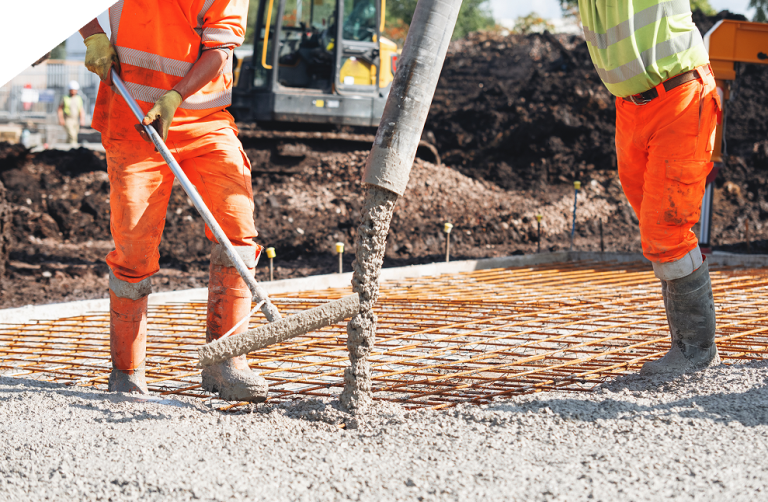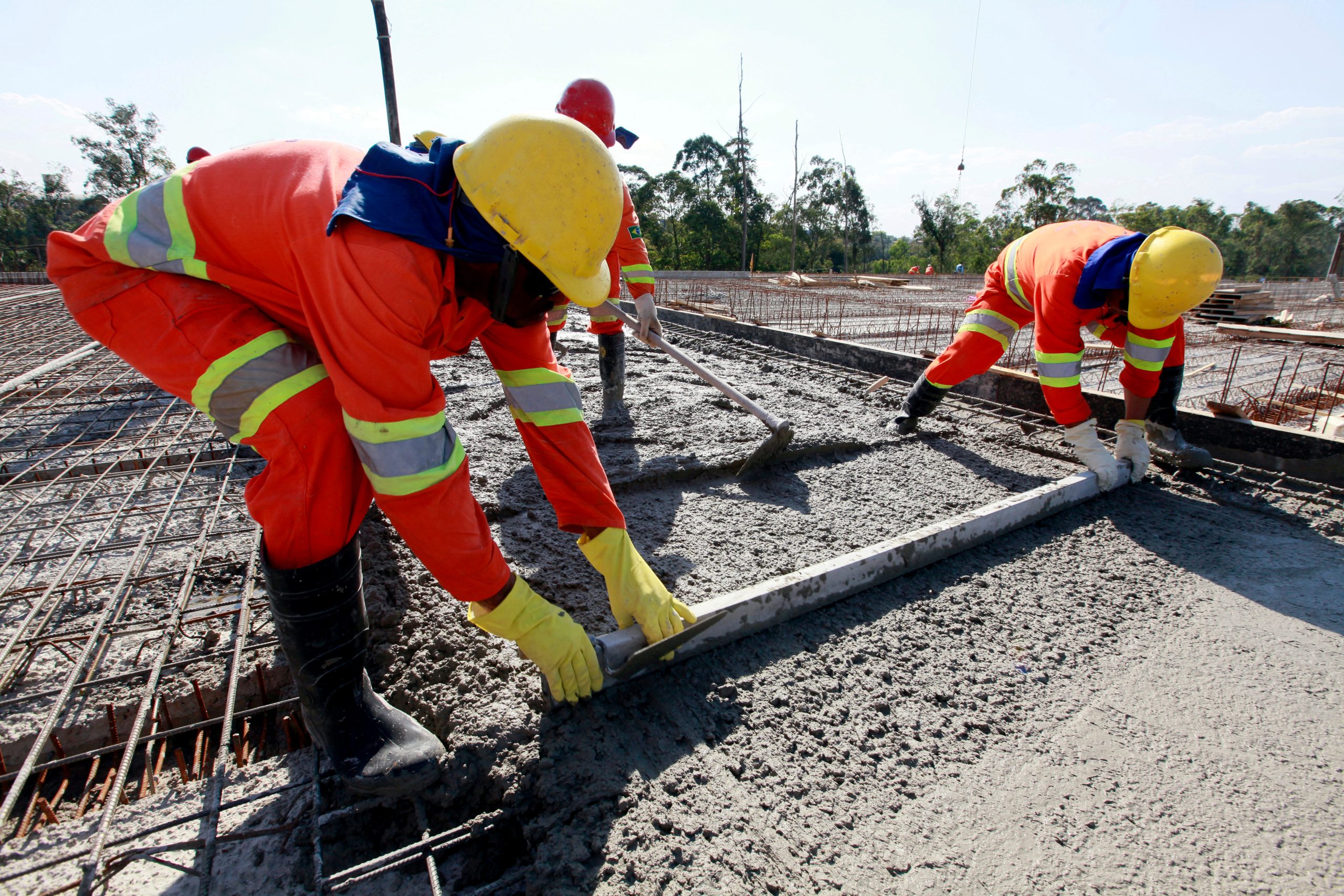
Concrete slab cost per square foot in Vancouver is often discussed as if slabs are interchangeable. Same dimensions, same thickness, same concrete, same budget logic. In real projects, that assumption falls apart quickly. Some slabs move efficiently from excavation to placement, while others trigger weeks of additional coordination before concrete trucks even arrive on site.
A common example happens when a site initially appears stable during early walkthroughs but reveals completely different conditions once excavation begins. On one commercial project in the Lower Mainland, what looked like a straightforward slab installation turned into a much more technical operation after crews uncovered inconsistent fill material beneath the surface. The slab design itself did not change dramatically, but the amount of preparation required before placement increased substantially.
This is one of the biggest reasons concrete slab cost per square foot in Vancouver varies so much between projects that seem similar at first glance. The concrete itself is only part of the story. What sits underneath the slab, how the site functions, and what the building will demand long term often have a much greater impact on pricing than owners initially expect.
Why Slab Costs Are Often Driven By Conditions Below The Surface
Many commercial slab budgets are developed before the site has been fully understood. Early pricing discussions may assume standard excavation conditions, straightforward access, and predictable subgrade preparation. Once technical reviews and excavation begin, those assumptions are tested against reality.
In Vancouver, some sites contain mixed fill from older developments, buried debris, or moisture conditions that complicate compaction and stabilization. None of these issues are visible in the finished slab, but all of them influence how much preparation is required before concrete placement can safely proceed.
This is where two projects with nearly identical slab dimensions can separate financially. One site may require minimal preparation, while another demands additional excavation, imported structural fill, compaction testing, and revised sequencing between trades. The slab may look the same when completed, but the path to getting there is entirely different.
The Project Conditions That Most Commonly Change Slab Pricing
Concrete slab cost per square foot in Vancouver is heavily affected by variables that owners often do not see during early budgeting conversations. These conditions influence labor coordination, preparation work, scheduling, and long term performance requirements.
- Subgrade instability or inconsistent fill material: Sites with unreliable soil conditions often require additional preparation and engineering review before the slab can support long term structural loads.
- Restricted access and urban logistics: Tight commercial sites can complicate excavation, staging, and concrete delivery, especially when neighboring properties limit equipment movement.
- Underground utility conflicts: Existing infrastructure beneath the slab area may require relocation, redesign, or sequencing adjustments before installation can continue.
- Drainage and moisture management requirements: Water conditions beneath the slab can affect both installation methods and future building performance if not addressed early.
- Operational demands of the finished building: Slabs supporting industrial equipment, storage systems, or higher load capacities often require more reinforcement and structural preparation than standard commercial spaces.
These conditions are rarely visible in simplified square foot estimates, which is why early budgets sometimes shift significantly once detailed planning begins.
Why Experienced Project Management Matters Before Concrete Placement
The biggest cost differences in slab construction often emerge before the slab itself is installed. This is why experienced project management and early site analysis are critical during the planning phase. Reviewing geotechnical information, coordinating excavation strategies, and identifying utility conflicts early helps project teams address problems before they affect the schedule and budget.
For commercial projects, this preparation also improves long term reliability. Slab systems are not isolated construction elements. They affect equipment performance, drainage behavior, structural stability, and future maintenance requirements throughout the life of the building.
Owners who focus only on the initial square foot number often miss the broader construction realities influencing that price. Understanding the conditions behind the slab creates more realistic expectations and helps avoid expensive adjustments once work is already underway.
Concrete Slab Cost Per Square Foot In Vancouver
Concrete slab pricing is shaped by much more than concrete volume and square footage. Site conditions, preparation requirements, logistics, and underground constraints all influence how a slab project is planned and executed.
JPD Contracting helps property owners across Vancouver and the Lower Mainland evaluate these factors early so projects begin with clearer expectations and stronger budget control. If you are planning a commercial build, reaching out before excavation and slab work begin can help identify the conditions that will have the biggest impact on your project.