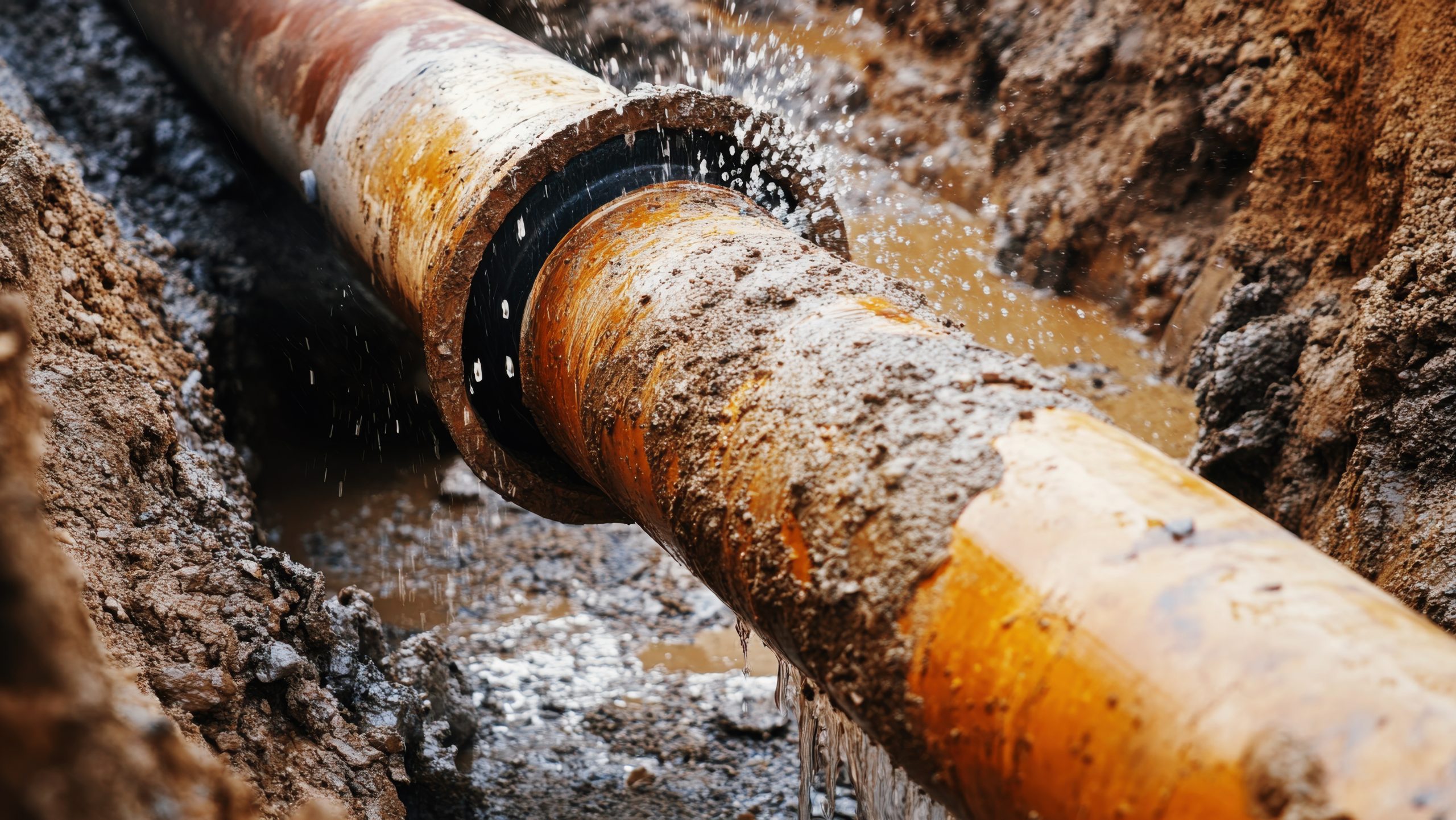
Unforeseen utility work during excavation often starts with something that seems minor at first. A crew opens a trench expecting a straightforward excavation sequence, only to uncover infrastructure that was never shown on the latest drawings. Sometimes it is an abandoned conduit from a previous development phase. Sometimes it is an active service line sitting several feet away from where records indicated it should be. Either way, excavation slows immediately while teams determine what is actually in the ground and how much of the project depends on it.
This happens more often in Vancouver projects than many property owners expect. In older and densely developed parts of the Lower Mainland, underground infrastructure has evolved over decades through upgrades, renovations, temporary solutions, and undocumented changes. Modern commercial projects are frequently built on sites that already contain several generations of buried systems beneath the surface. The result is that excavation work can shift from predictable site preparation into a highly coordinated technical process within a matter of hours.
Why Utility Surprises Create More Than Just Minor Delays
The biggest misconception about unforeseen utility work during excavation is that the issue ends once the line is identified. In reality, the discovery itself is usually only the beginning. Once unexpected infrastructure appears, the project team has to determine whether it is active, who owns it, whether it affects neighboring properties, and how excavation can continue safely around it.
On some Vancouver projects, crews have uncovered inactive utility lines stacked directly above active infrastructure serving nearby buildings. What initially looked like a simple trench suddenly required revised excavation sequencing, additional inspections, and coordination with utility providers before work could continue. In dense urban environments, underground systems rarely exist in isolation. A single conflict can affect drainage planning, foundation work, access routes, and inspection schedules across multiple phases of construction.
This is why utility surprises often have a disproportionate impact on excavation timelines. The physical work itself may not be extensive, but the coordination surrounding it can quickly expand. Excavation equipment may need to be repositioned, protective measures implemented, and portions of the site temporarily paused while engineers and utility stakeholders reassess the conditions underground.
The Underground Conditions That Most Commonly Disrupt Excavation
Many utility related excavation issues are tied to conditions that are difficult to fully verify before digging begins. Even with site investigations and utility locates completed in advance, some situations only become visible once excavation exposes the actual infrastructure beneath the site.
The following conditions are among the most common causes of unforeseen utility work during excavation projects in Vancouver:
- Utility lines positioned differently from recorded drawings: Existing records may reflect previous site conditions or outdated infrastructure layouts that no longer match what crews encounter underground.
- Multiple generations of infrastructure occupying the same area: Older commercial sites sometimes contain abandoned systems that were never fully removed before newer utilities were installed nearby.
- Shared underground corridors in dense urban areas: Municipal services, neighboring properties, and private infrastructure often compete for limited underground space, creating conflicts during excavation.
- Unexpected drainage and water related systems: Buried drainage routes or older water management systems may interfere with excavation sequencing and foundation preparation.
- Utility ownership and approval complications: Once unidentified infrastructure is discovered, excavation may depend on external utility providers, inspections, or revised engineering approvals before work resumes.
These conditions are not signs that a project was poorly planned. They are common realities in heavily developed urban construction environments where underground infrastructure has evolved over long periods of time.
Why Experienced Excavation Planning Matters Before Digging Starts
Experienced construction project management teams understand that excavation is partly an investigation process. Before work begins, consultants review available utility records, coordinate locates, and evaluate historical information tied to the property. These steps reduce uncertainty and improve planning accuracy, but they cannot eliminate every underground variable.
What separates well managed projects from chaotic ones is how prepared the team is to respond once conditions change. Projects with realistic contingencies, flexible sequencing strategies, and strong coordination processes are far better equipped to absorb utility surprises without major disruption. Projects that assume perfect underground conditions from the beginning are often the ones most vulnerable once excavation reveals something unexpected.
For property owners, this preparation matters because utility related excavation delays rarely affect only one activity. They often influence scheduling decisions across the entire early construction phase. Understanding this dynamic early helps create more realistic expectations around both budget and timeline planning.
Unforeseen Utility Work During Excavation In Vancouver
Underground utility conditions are one of the most unpredictable parts of excavation work in Vancouver. Older infrastructure, evolving site histories, and dense urban development all increase the likelihood of unexpected discoveries once excavation begins.
If you are planning a commercial project in Vancouver or the Lower Mainland, speaking with an experienced construction and excavation team before digging starts can help identify potential underground risks early and reduce costly disruptions later. Contact us at JPD Contracting to discuss your site conditions, excavation planning strategy, and the utility challenges that could affect your project before construction begins.